


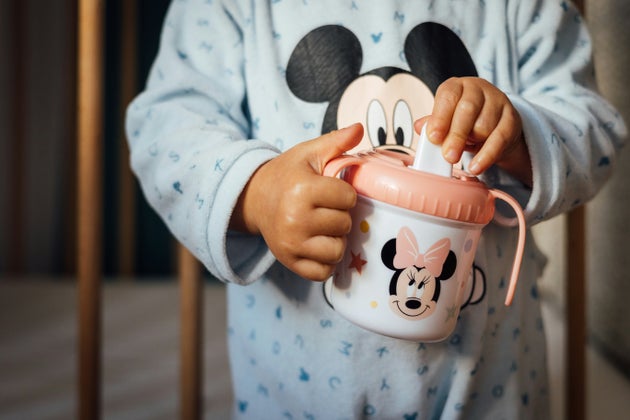
When I was about three or four, I’d visit my great gran and she would make me a cup of very weak tea in a sippy cup – we would slurp our tea together and, in what must’ve looked extremely odd to anyone watching, loudly exhale in great enjoyment after each sip.
And it turns out I wasn’t the only kid having the occasional cuppa.
In a post shared to Reddit recently, one parent revealed both of their children, aged seven and 10, have a cup of milky tea every morning – and have done for three years or so.
“It got me thinking: what age did you/your kids start drinking tea?” asked the Redditor, who noted they were four or five when they had their first cup of tea. “Is it something unusual for kids this age to have?”
“When I was young the concept of kids being too young for tea or coffee was not really a thing,” added someone else in the comments section, noting this was back in the 1970s so “things have changed a bit”.
“At a guess I would say I probably drank tea from 5 or so in age, though that’s about as far back as I can remember and it’s possible it was a thing much earlier.”
Another chimed in: “I was drinking tea at like 5 and coffee at 12.”
Should kids be drinking tea and coffee?
In short: no.
Dr Deborah Lee of Dr Fox Online Pharmacy told HuffPost UK: “It’s not a good thing to give any caffeine-containing food or drinks to babies, toddlers and young children. Generally, young children are those aged under 12.”
The NHS recommends that tea, coffee and other caffeinated drinks are not suitable for babies and young children.
Similarly, NHS Humber and North Yorkshire advises against giving children caffeine and adds: “Tea is not recommended for children as it reduces iron absorption.”
Caffeine is the main issue here
“Caffeine is a psychoactive stimulant and its effects in babies and children are largely unknown,” said Dr Lee.
“The problem is that young children have a developing brain and a relatively smaller body size. The safe limit of caffeine intake in this age group is not known.”
She added that the effects of caffeine on the central nervous system and heart have not been well researched in children.
“Caffeine has been shown in children to cause anxiety, insomnia, acid-reflux, raised blood pressure and a rapid heart rate,” she noted.
Conversely, one study did suggest that drinking tea from the age of four could help kids combat obesity, stress and heart disease. According to the Evening Standard, “the caffeine in tea was outweighed by the hydration and flavonoids it provides”.
Caffeine is found in coffee, tea, caffeinated fizzy drinks, hot chocolate and eating chocolate. Energy drinks contain high levels of caffeine, too.
Dr Lee noted that adding lots of milk to tea and coffee doesn’t affect the caffeine content of the drink, either.
“Also, many children want sugar in tea and coffee, and children should avoid sugary drinks because of the increased risk of dental decay and the ongoing concern about childhood obesity,” she added.
What about decaf?
Again, this isn’t advised for younger children.
“Decaffeinated tea and coffee still contain caffeine,” she explained. “Coffee contains around 7mg and tea around 2mg per 200ml cup. Ideally babies and young children should not have this either.
“In my opinion, you should avoid giving even milky tea, coffee or decaffeinated tea and coffee to children under 12.”
And discussing the high caffeine content in energy drinks, she added:
“I would absolutely advise against children having energy drinks under any circumstances. A healthy child has plenty of energy – if they don’t have energy, take them to the GP!”








 Bengali (Bangladesh) ·
  English (United States) ·