

I probably don’t need to sell you on orgasms. But you might be as surprised as I was to learn that they seem to be pretty good for us as we age – for instance, they can strengthen the pelvic floor and boost mental health.
So it’s a good thing that one study shows women over 60 are increasingly using sex toys to climax.
Still, women are on the wrong end of the “orgasm gap” to begin with, and secondary anorgasmia – the acquired inability to orgasm – can occur after menopause.
Here, we spoke to licensed sexologist, relationship therapist, and author at Passionerad, Sofie Roos, about how women can achieve the “big O” after 60 (and why it’s such a good idea).
How women can achieve more (and better) orgasms after 60
1) Give your body time to warm up
“After menopause, reduced oestrogen levels can make you experience vaginal dryness,” said Roos, which can mean it takes “longer” to get warmed up for sex.
And the things that turn us on might change, too.
“It’s therefore a great idea to invest more time in kissing and foreplay before going for direct clitoral or vaginal stimulation,” the expert advised.
2) Try new things
The sexologist said it’s normal to find that what felt good in your 30s isn’t as thrilling in your 60s. You might “need to stimulate your clitoris differently to reach all the way, or [find] that you prefer lighter pressure during vaginal penetration,” she shared.
So, it’s a great time to explore. Try new forms of masturbation, use different levels of intensity and speeds, and generally embrace your more “playful and curious side”, advised the expert.
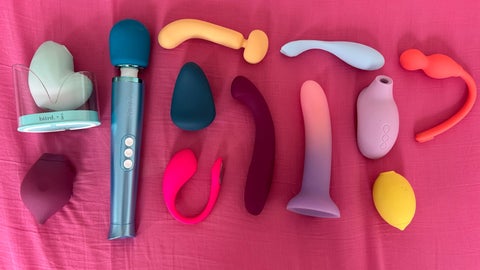
3) Give toys a go
Research suggests that women over 60 who use sex toys more often are also likelier to have more frequent orgasms – and if you ask Roos, that’s no coincidence.
“My best recommendation for newbies is to invest in an air pulse vibrator, as they’re affordable, yet capable of giving a deep, smooth and steady stimulation that gives amazing clitoral orgasms without tiring your hand,” she advised.
4) Lube, lube, and more lube
5) Try to let go of the pressure to perform
6) Communicate
Respectful and open communication can help you to explain your needs in a loving way, and can make future conversations feel more like a collaborative effort than a “problem to be solved”.
7) Take care of your overall health
And if you need to, seek professional help. Remember, you should never have to accept painful or uncomfortable sex, nor is a “dead bedroom” an inevitable part of ageing.






 Bengali (Bangladesh) ·
 English (United States) ·