

 1 month ago
11
1 month ago
11 
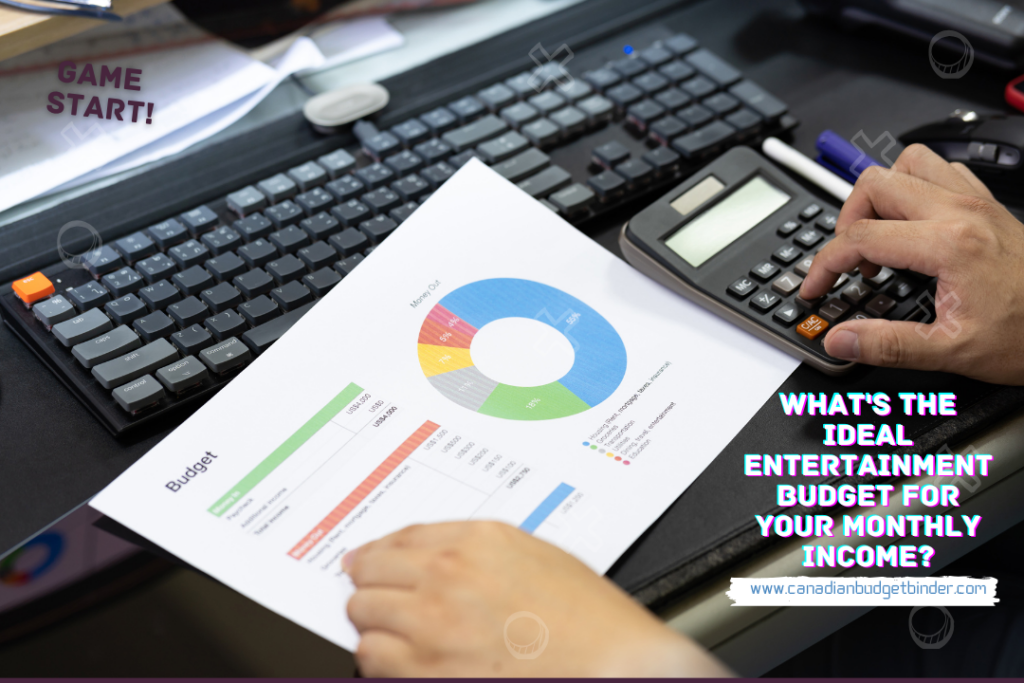
Managing money isn’t just about paying rent on time and keeping the fridge stocked; it’s also about making informed financial decisions.
How you budget for fun matters just as much if you care about actually enjoying your life.
The tricky part is figuring out what “reasonable” looks like when every bill, subscription, and impulse buy pulls in a different direction.
Most financial planners will tell you no magic number fits everyone; it depends on your income, debt, and what you’re trying to build for the future.
The real goal is to know your non-negotiable costs, then carve out an entertainment budget that doesn’t sabotage the rest.
How digital leisure platforms shape modern spending habits
These days, a significant portion of “fun money” is spent on screens.
Streaming, games, apps, microtransactions, and digital platforms make it easy to spend without fully realizing the cost.
That’s why understanding the guardrails built into these systems matters more than ever.
When people explore recreational options, especially online gaming, tools such as deposit caps, time limits, and exclusion features become part of the budgeting toolkit.
It’s exactly what you see on platforms promoted as best gambling sites Canada, where licensed operators bake in controls so players can lock in an entertainment limit before the first deposit.
Verification checks and transaction monitoring don’t just tick regulatory boxes; they also help keep “just for fun” spending from turning into a problem line item.
Most major entertainment platforms now offer a spending dashboard of some kind.
You can pull up a month and see exactly what went where, which subscriptions are quietly draining your account, and how often “just one more episode” turned into another rental charge.
That kind of visibility isn’t glamorous, but it makes it much easier to align your digital finances with the rest of your financial plan, rather than treating them as something separate and mysterious.
Understanding the fundamentals of discretionary spending
From a budgeting standpoint, entertainment falls firmly into the “discretionary” category.
It only gets space after the essentials are covered: housing, utilities, groceries, transportation, insurance, everything you can’t realistically cut without consequences.
Whatever’s left over becomes the pool for nights out, streaming, hobbies, trips, and all the other things that make life feel less like a grind.
That leftover amount can look very different in downtown Toronto than it does in a smaller town, even if the headline income is the same.
Because of that variability, most pros talk in percentages instead of fixed dollar amounts.
A blanket recommendation like “spend $300 on entertainment” means nothing if one person earns $2,000 a month and another earns $8,000.
A percentage-based approach adapts to your reality; when your income rises or drops, your entertainment allowance adjusts accordingly, without requiring you to redesign your entire budget from scratch.
Adjusting entertainment budgets during financial transitions
Life rarely sticks to one financial setting for long.
Job changes, promotions, layoffs, new kids, loans paid off, every one of those milestones shifts how much room you’ve got for entertainment.
The mistake many people make is keeping old spending habits after the numbers change.
A quick budget tune-up can help avoid months of quiet overspending or needless self-denial when life gets busy.
When money is tight, the goal isn’t to cut all fun and sit in the dark.
It’s to swap expensive habits for cheaper ones.
A night at the movies turns into a night of home streaming with snacks.
Restaurant dinners rotate with potlucks. Instead of a pricey weekend away, you hit free local events or parks.
You still get downtime and connection, just tuned to what the budget can actually handle right now.
When income jumps, the temptation runs the other way. It’s easy to “reward yourself” so heavily that the raise disappears.
Advisers often push a simple compromise: split the increase. Allocate part of it toward bigger savings and long-term goals, and let the rest enhance your entertainment and lifestyle categories.
That way, life gets nicer in the present without sacrificing future stability.
Tracking methods that support entertainment budget compliance
No budget works if you don’t actually know what you’re spending. Some people love spreadsheets and manual tracking; others prefer apps that automatically categorize transactions.
The specific tool is less important than sticking with it and being honest about where each dollar went, especially the “little” ones that add up faster than you think.
One straightforward tactic is to isolate your entertainment expenses in a separate account.
You move a fixed amount at the beginning of the month and let that be your hard limit.
Watching that balance drop creates a built-in pause: if it’s gone, the fun money is gone.
This “digital envelope” method works well for anyone who struggles with keeping virtual categories straight in their head.
For individuals who respond better to tangible items, cash envelopes remain extremely effective.
You take out the entertainment amount at the start of the month, stash it in a labelled envelope, and spend only from there.
Seeing the physical bills shrink day by day makes the trade-offs crystal clear, which can be more powerful than watching small card charges trickle across a bank app.
The post What’s The Ideal Entertainment Budget For Your Monthly Income? appeared first on Canadian Budget Binder Your Way To Debt-Freedom.









 Bengali (Bangladesh) ·
  English (United States) ·