

 Bouf/Hair Gain/ K18
If you’ve been noticing more hair than usual falling out when you brush your hair (or just touch it) over the last few weeks, you’re not alone.
Like it or not, the colder months bring with them increased hair shedding (it can’t all be fun and games).
“Many people notice more hair coming out in their brush or shower during autumn, and research suggests that our hair can follow a seasonal cycle,” explains Samantha Stewart, Consultant Trichologist and Ambassador for vegan trichologist-backed haircare brand, Hair Gain.
“Hair grows in different phases, including the active growth phase, known as anagen, and the resting phase, known as telogen.
“Some studies have found that more hairs can enter the resting phase and be retained for longer during the summer months, which means they may subsequently shed towards the end of summer and into autumn.” Wow, I guess we’re more like leaves than I thought.
If, like me, you’ve had enough of finding hair stuck to all your socks, slippers, and tangled in your washing machine, I consulted Stewart to find out what you can do to prevent hair shedding, and did my own research and testing to find the best products to prevent it.
Scalp matters
We spend so much time thinking about the skin on our faces, but we often forget that our scalp is also made of skin; skin that can impact the health of our hair as a whole.
“Healthy hair starts with a healthy scalp,” explains Stewart. “The scalp is the environment in which our hair follicles function, so looking after the scalp is an important part of maintaining healthy hair.
“When the scalp becomes excessively dry, irritated or inflamed, it can affect comfort and, in some cases, contribute to hair problems. Certain inflammatory scalp conditions can also cause increased shedding.”
You’ve probably heard the misconception that washing contributes to increased hair shedding (I certainly have) but actually, that’s not true. Hair that falls out during washing have already entered the telogen cycle, so they’ve aleady stopped growing, Stewart explains.
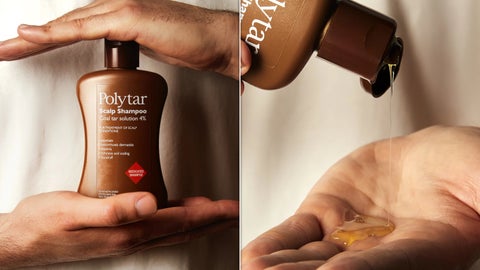
Rather than washing your hair less to avoid hair shedding, she recommends using products designed to support scalp health, such as shampoo or topical scalp treatments.
Best products for scalp health
Rethink how you wash
The weather might be cold outside, but inside is oh so roasty toast to make up for that.
“During autumn and winter, colder outdoor temperatures and central heating can contribute to dryness, leaving the hair feeling more brittle and the scalp less comfortable,” Stewart explains.
“My first recommendation is to review your washing routine. Avoid very hot water, which can contribute to dryness, and use a shampoo that cleanses without leaving the scalp feeling tight or irritated.
“Conditioning is particularly important during the colder months, as hair that is dry and fragile is more vulnerable to breakage, especially when we’re using heated styling tools or exposing it to friction from scarves, hats and winter clothing.”
Hydrating shampoos and conditioners, and a weekly conditioning treatment, can help with dry hair, Stewart suggests.
“For dry or fragile hair, I recommend looking for conditioning and moisturising ingredients that help protect the hair cuticle and reduce friction and breakage,” she says.
“Ingredients such as panthenol and glycerin can help improve moisture retention and manageability, while certain peptides are incorporated into hair strengthening formulations.”
She also recommends reducing excessive heat styling, and using a heat protectant when you are styling, as well as being careful when detangling wet hair to prevent breakage.
Best hydrating shampoos and conditioners
Inside out
Diet is just as important as a good haircare routine when it comes to hair shedding.
“Hair follicles are highly active structures, and healthy hair growth depends on the body receiving adequate energy, protein, vitamins and minerals,” Stewart explains.
“Crash dieting, rapid weight loss, restrictive eating and nutritional deficiencies can all contribute to increased shedding.
“I always recommend starting with a balanced diet containing sufficient protein and paying particular attention to nutrients such as iron, zinc, vitamin D and vitamin B12, as deficiencies in certain nutrients can contribute to hair problems. Zinc and selenium can also be significant.”
If you find it tricky to get all the nutrients you need through your diet, targeted hair supplements might be useful, Stewarts suggests.





 Bengali (Bangladesh) ·
 English (United States) ·