
 3 days ago
3
3 days ago
3 
A weapon of mass destruction is not a mere bomb, something that goes off and destroys a designated area. They are humanity’s greatest, most destructive, and most terrifying weapons, capable of fueling nightmares and keeping entire countries in check. The fear of their mere existence shapes our current political landscape.
Consider this list then as a ranking of what most to fear in the coming years, and also as a way to interiorize yourself with their destructive power. With some of them, based on their effects, you’ll be better off not surviving the initial impact.
 Wikimedia Commons
Chlorine Gas
While it has industrial uses, chlorine gas has a dark history as a chemical weapon. It’s considered a persistent hazardous material and was even used as an unconventional weapon during Operation Iraqi Freedom, posing a lingering threat on the battlefield.
 Wikimedia Commons
Mustard Gas
First used on a large scale in World War I, mustard gas is a horrific chemical agent. It’s classified as a blistering agent because it causes severe chemical burns on contact with skin, eyes, and the respiratory tract.
 Wikimedia Commons
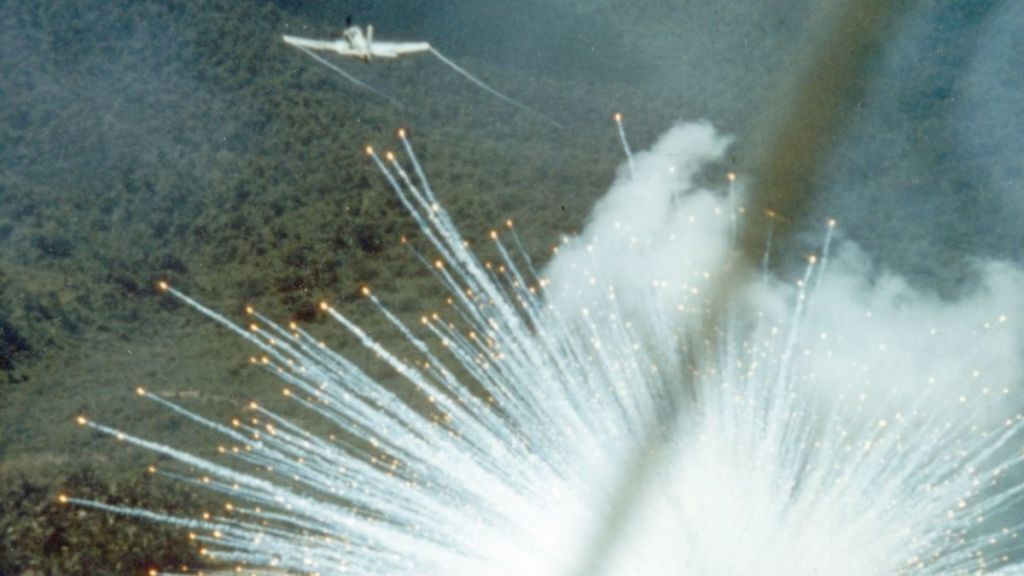
White Phosphorus Munitions
This stuff has been used for over a century. It ignites instantly on contact with air, burning at over 1,400°F and causing horrific burns that can go right to the bone and are nearly impossible to extinguish.
 Wikimedia Commons
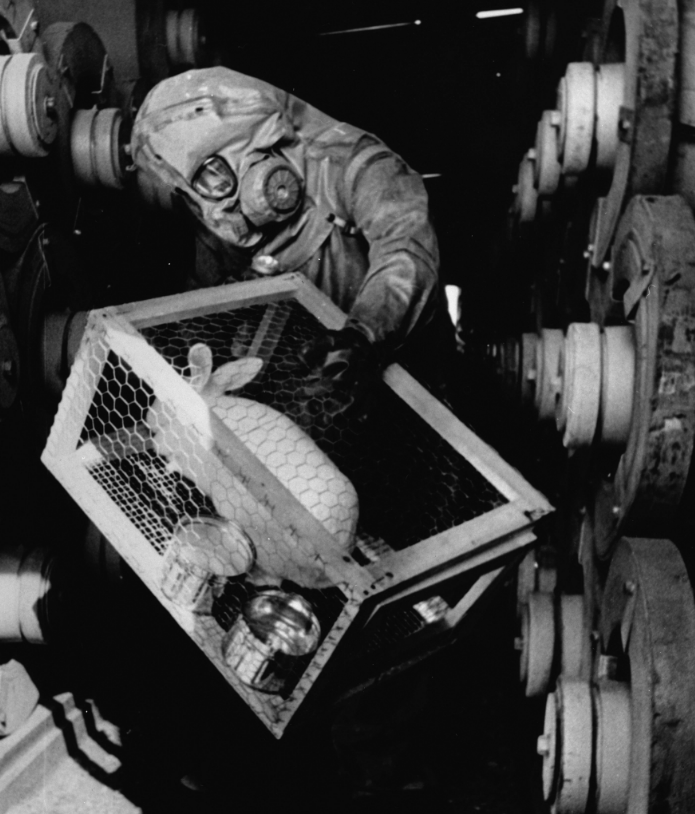
Sarin
Discovered by German scientists trying to make better pesticides in 1938, Sarin is a colorless, odorless nerve agent. Exposure can cause respiratory paralysis and death in as little as one minute. Its production was outlawed in 1997.
 Wikimedia Commons
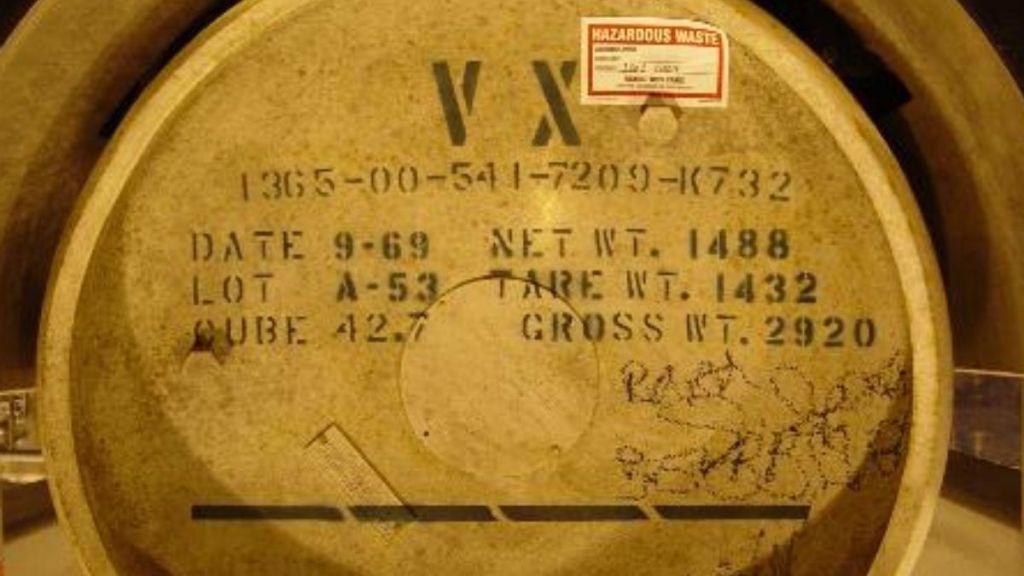
VX Nerve Agent
Considered the most toxic and fast-acting chemical warfare agent ever developed. A single, tiny drop of this oily liquid absorbed through the skin is enough to disrupt the nervous system and fatally paralyze the body within minutes.
 Wikimedia Commons
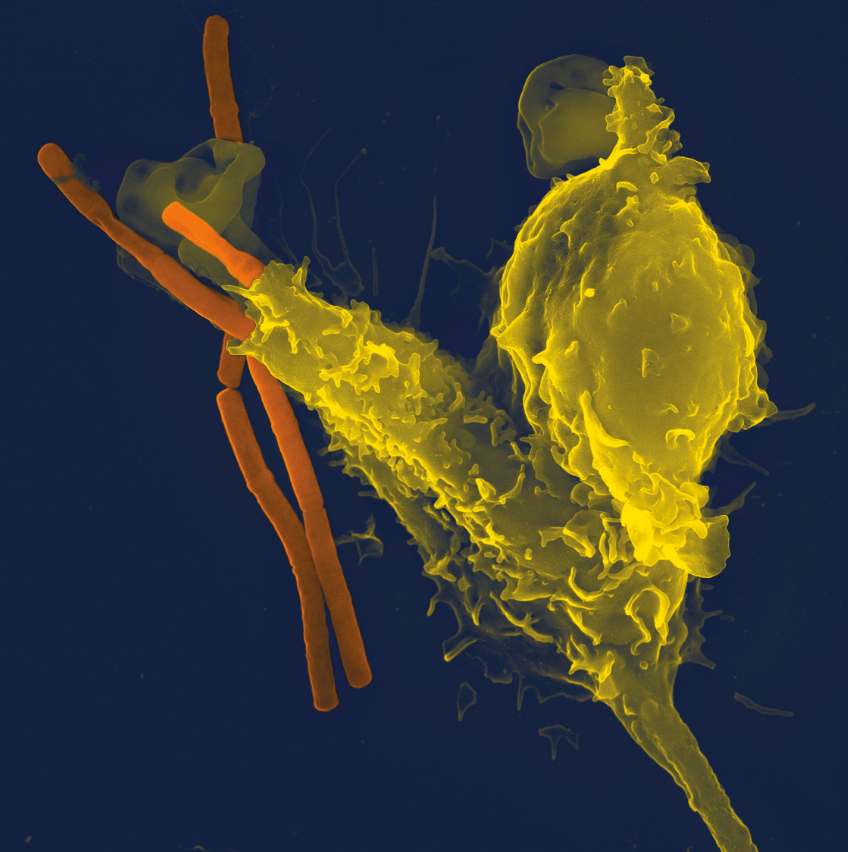
Weaponized Anthrax
This biological weapon uses the spores of the Bacillus anthracis bacterium. A 1993 study estimated that just 100 kilograms of anthrax released over Washington, D.C., could cause between 1 and 3 million fatalities, making it a terrifying threat.
 Unsplash
Weaponized Smallpox
Smallpox was officially eradicated, but there’s a deep fear that modern biotechnology could recreate it. The British military gave it a test run as a biological weapon against Native Americans way back in the 1760s.
 Wikimedia Commons
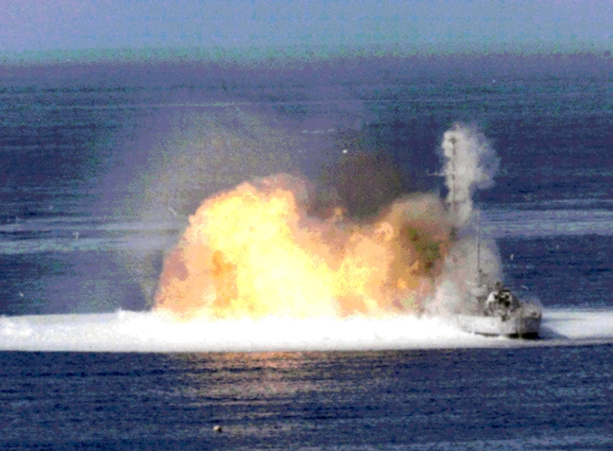
Thermobaric Weapon
Also known as a vacuum bomb, this weapon releases a cloud of explosive material that uses oxygen from the air to ignite. The result is a massive fireball and a uniquely powerful, long-lasting blast wave that is devastatingly effective.
 Wikimedia Commons
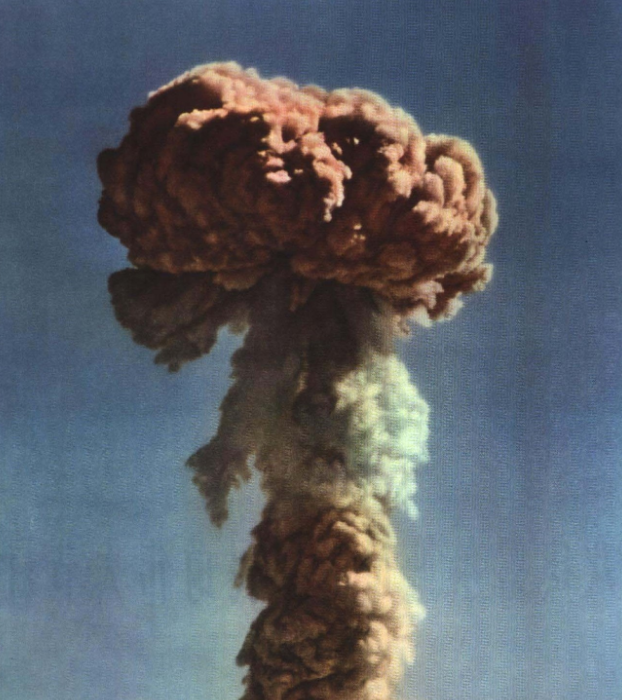
Dirty Bomb
While it has radioactive components, a dirty bomb isn’t a nuclear bomb. It’s a conventional explosive packed with radioactive material. The main danger is the initial blast; the radioactive fallout is typically not enough to cause severe illness unless you’re right at ground zero.
 Wikipedia
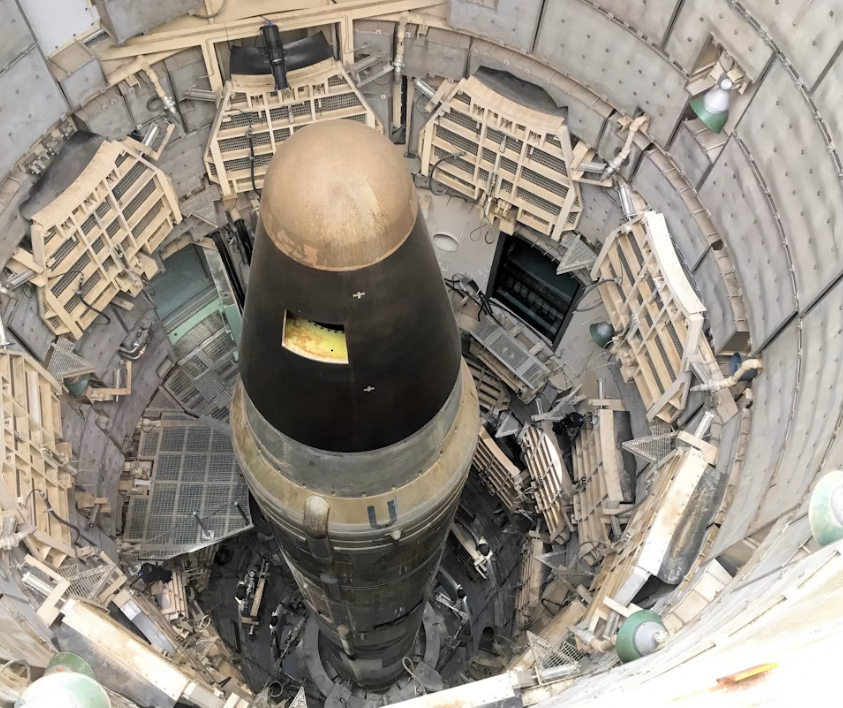
Neutron Bomb
Invented in the 1950s, this specialized nuclear weapon was designed to maximize lethal radiation while minimizing the physical blast. The idea was to neutralize enemy personnel, like tank crews, while leaving buildings and infrastructure relatively intact.
 Unsplash
Cobalt Bomb
This is a theoretical “doomsday” weapon that has, as far as we know, never been built. It’s a hydrogen bomb wrapped in cobalt, designed to create an immense amount of long-lasting radioactive fallout to render huge areas uninhabitable.
 Wikimedia Commons
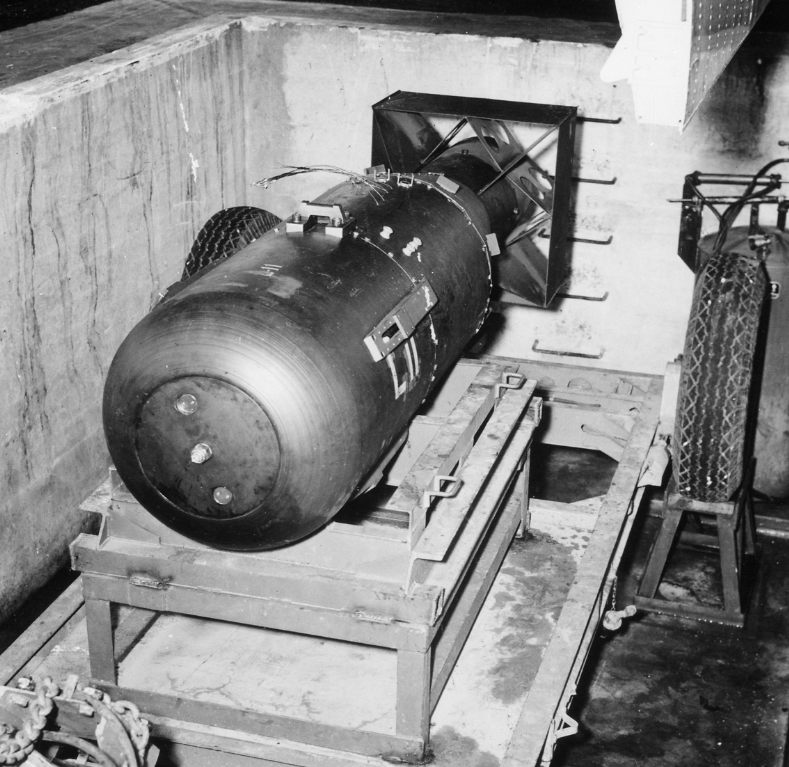
Little Boy Atomic Bomb
This was the first atomic bomb ever used in warfare. Developed by the Manhattan Project, the 9,700-pound device was dropped on Hiroshima, Japan, on August 6, 1945, by the B-29 bomber known as the ‘Enola Gay’.
 Wikimedia Commons
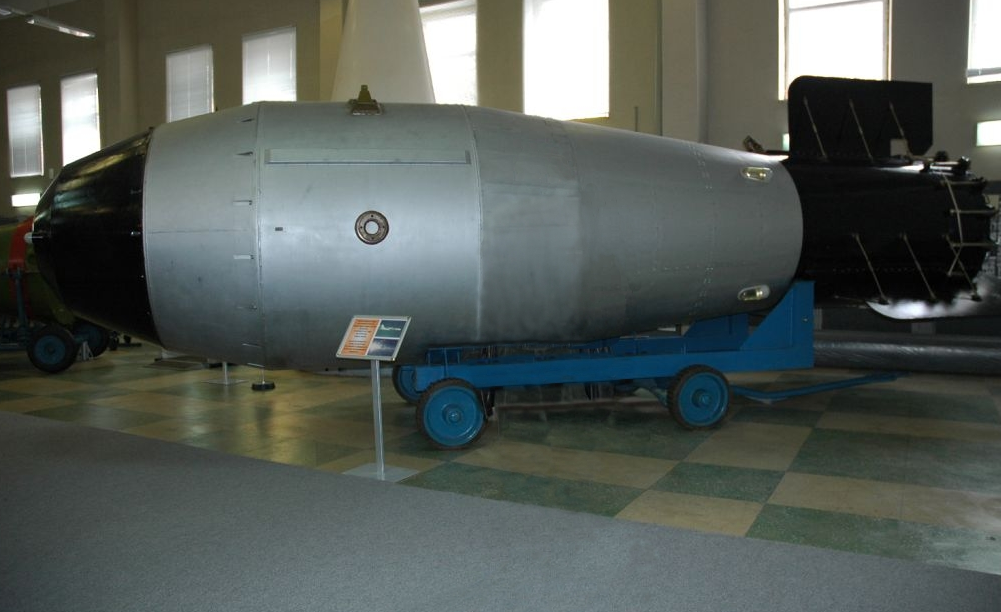
Tsar Bomba Hydrogen Bomb
In 1961, the Soviet Union detonated the most powerful explosion in history. The 50-megaton blast was 1,500 times stronger than the Hiroshima and Nagasaki bombs combined, with a flash of light visible over 600 miles away.
 Unsplash
AI-Controlled Weapon System
This is the future of horror: armed, fully-autonomous drone swarms, or “Slaughterbots.” A single person could unleash thousands, creating a dangerously unpredictable situation and raising the ultimate ethical question of allowing machines to make life-or-death decisions.
 Unsplash
Engineered Pandemic Pathogen
This might be the ultimate threat. Using modern gene-editing, a bad actor could create a virus more contagious or deadly than anything in nature. An accidental or deliberate release could trigger a pandemic worse than anything humanity has ever seen.
The post The Weapons Of Mass Destruction, Ranked for All You Pessimists appeared first on Den of Geek.

![M. Night Shyamalan Officially Confirms What 'Glass's Ending Meant for the 'Unbreakable' Universe [Exclusive]](https://static0.colliderimages.com/wordpress/wp-content/uploads/2026/09/glass-samuel-l-jackson-1.jpg)



 Bengali (Bangladesh) ·
  English (United States) ·