
 44 minutes ago
3

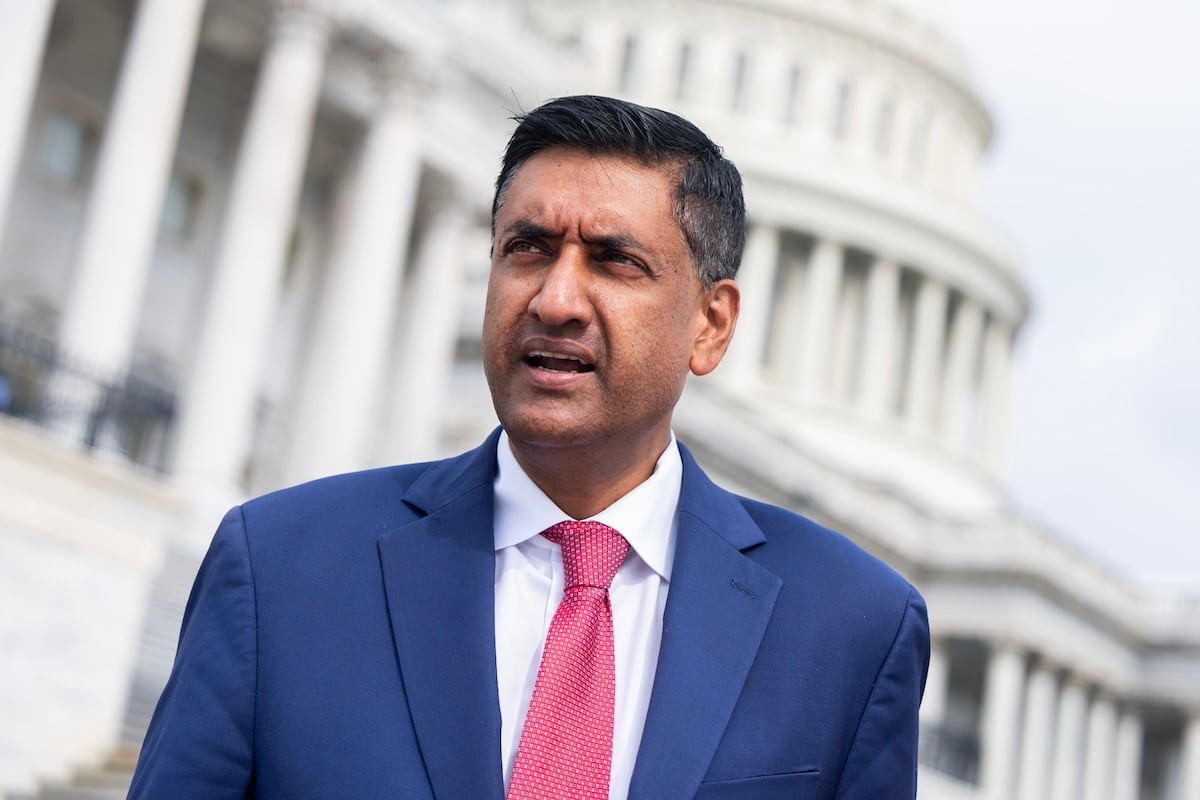
Representative Ro Khanna (D-CA) called on Congress to ban sports prediction markets in a post on X this week. Re. Khanna linked the platforms to gambling addiction and lost state tax revenue. These apps sell contracts that pay out based on who wins a game, and we flagged the trend in our look at the vice economy draining Gen Z bank accounts.
Sports prediction markets are sports betting disguised as financial trading. They flout state and tribal gambling laws, siphon state tax revenues, fuel addiction, and expose young Americans to public health risks while evading state consumer safeguards. Congress must ban them.
— Ro Khanna (@RoKhanna) November 10, 2026We here at The College Investor agree with Khanna. Sports event contracts now sit next to stocks and ETFs inside some of the investing apps young people use. We think it’s dangerous to mix gambling with investing in this way.
Khanna’s post didn’t name a bill, but a bipartisan ban has already been filed in both chambers.
Would you like to save this?
Why It Matters
Young adults, the same folks we push to start investing in their 20s, are placing billions of dollars in these trades. According to Fortune’s report on Kalshi’s under-21 users, Kalshi lets anyone 18 or older trade despite the fact that most states set the sports betting age at 21.
A CNN analysis estimated that Kalshi users ages 18 to 21 traded $5.4 billion in 2026 through late August, with $3.9 billion of it on sports. Kalshi told CNN that this age group makes up just 3.14% of its trading volume. That’s billions of dollars that could have gone toward building Gen Z net worth instead.
Sports contracts are also big business for the apps themselves. Robinhood reported $173 million in event-contract revenue in the third quarter of 2026, topping its crypto trading revenue. Its CFO said non-sports contracts were about 30% of that activity, which means that sports contracts make up roughly 70% by our math.
Where Does The Legal Fight Over Sports Prediction Markets Stand?
Federal appeals courts have split on whether states can regulate sports prediction markets, and the Supreme Court has been asked to settle it. In April, the Third Circuit ruled 2-1 for Kalshi and found that federal commodities law likely blocks New Jersey’s gambling rules. That law is the Commodity Exchange Act, which governs the products covered in our breakdown of how futures trading works.
In August, the Ninth Circuit went the other way in a 3-0 decision for Nevada. The court wrote that “The CEA likely does not preempt Nevada’s gaming regulations as applied to Kalshi’s sports event contracts,” according to the Ninth Circuit’s opinion.
New Jersey then asked the Supreme Court to hear its case, and Kalshi’s response is due December 7, 2026. Both cases turn on whether the Commodity Futures Trading Commission, which oversees commodity markets, has the final word over sports contracts.
| March 23 | Sens. Schiff and Curtis introduce the Prediction Markets Are Gambling Act | Pending |
| April 6 | Third Circuit sides with Kalshi over New Jersey, 2-1 | Kalshi Wins |
| April 30 | 41 attorneys general tell the CFTC that sports contracts belong to the states | Comment Letter |
| July 23 | Reps. Horsford and Amodei introduce the House version of the ban | Pending |
| August 28 | Ninth Circuit lets Nevada enforce its gaming laws against Kalshi, 3-0 | States Win |
| September 2 | New Jersey asks the Supreme Court to take its case | Kalshi Reply Due Dec. 7 |
| October 8 | 145 Indian tribes file a brief in New Jersey’s Supreme Court case | Brief Filed |
| November 10 | Rep. Ro Khanna calls on Congress to ban sports prediction markets | Call To Act |
States and tribes are pressing too. Forty-one attorneys general told the CFTC in April that prediction markets have become unregulated sportsbooks that go around state consumer protections. The coalition also warned that millions of Americans qualify as problematic or pathological gamblers. That risk lands on a group already under money pressure, and a WalletHub survey we recently covered found 53% of college students feel pushed by social media to overspend.
Tribes have joined the fight too, with 145 Indian tribes filing a brief in New Jersey’s Supreme Court case in October. House ban sponsor Rep. Steven Horsford says the contracts have cost states over $1 billion in gaming tax revenue. State tax dollars also help fund public colleges, so lost revenue ties into what drives rising tuition costs.
Why Isn’t A Sports Prediction Market Investing?
A sports event contract is a bet on one game, while an investment is ownership of a business. Each share of stock you own represents your fractional ownership in the underlying company, which means that you share in earnings and growth of that business.
The sports event contract is simply a one-time payout. A contract priced at 60 cents pays $1 if your team wins and $0 if it loses. Every dollar a winner collects comes from a trader who took the other side, before fees.
When you invest in a mutual fund, its value comes from the corporate earnings of hundreds of companies – over time. It’s not a one time event.
| Where Gains Come From | Another trader’s loss on the same game | Company earnings and growth |
| How It Ends | Pays $1 or $0 when the game ends | No end date |
| Typical Holding Time | Hours or days | Years or decades |
| Minimum Age On The App | 18 on Kalshi | 18 for your own brokerage account |
| Builds Wealth Over Time | No | Yes |
The math shows what the habit costs. Someone who puts $50 a week into sports contracts spends $2,600 a year. The same $2,600 invested each year at a hypothetical 7% average return would grow to about $35,900 after 10 years and about $245,600 after 30 years. That money could fund a Roth IRA during the years when compounding does the most work.
We encourage our followers to check out our simple investment calculator to see how the growth of their money could compound over time.
How This Connects
Gambling was already eating into young adults’ budgets before sports contracts went mainstream. TransUnion found that 34% of Gen Z consumers placed bets in 2025.
Allowing people to make these bets inside investing apps makes it harder for new investors to differentiate trading from betting. People who want to learn to invest without risking cash can use paper trading accounts instead.
What’s Next
Watch the Supreme Court first, since it could decide whether to take the New Jersey case after Kalshi responds in December.
The Prediction Markets Are Gambling Act is pending in the Senate and the House, and it would bar CFTC-registered exchanges from listing sports and casino-style contracts. A new Congress takes over in January, and this bill could gain traction moving forward.
Editor: Colin Graves
The post Ro Khanna Wants Congress To Ban Sports Prediction Markets Like Kalshi, And We Agree appeared first on The College Investor.





 Bengali (Bangladesh) ·
 English (United States) ·