

Someone loads the dishwasher “wrong,” and a wave of pure fury rises up so fast it takes your breath away. If this scenario sounds familiar, you might be experiencing perimenopause rage. You hear yourself snap. Ten minutes later, you’re apologizing, embarrassed and a little shaken, and you wonder who on earth that person was.
If this keeps happening and you’re in your 40s or early 50s, you’re not going crazy. You might be dealing with perimenopause rage.
Below, we’ll cover what it is, why it happens, signs your anger might be hormonal, and what genuinely helps, from the moment it flares to your conversation with your doctor.
What Is Perimenopause Rage?

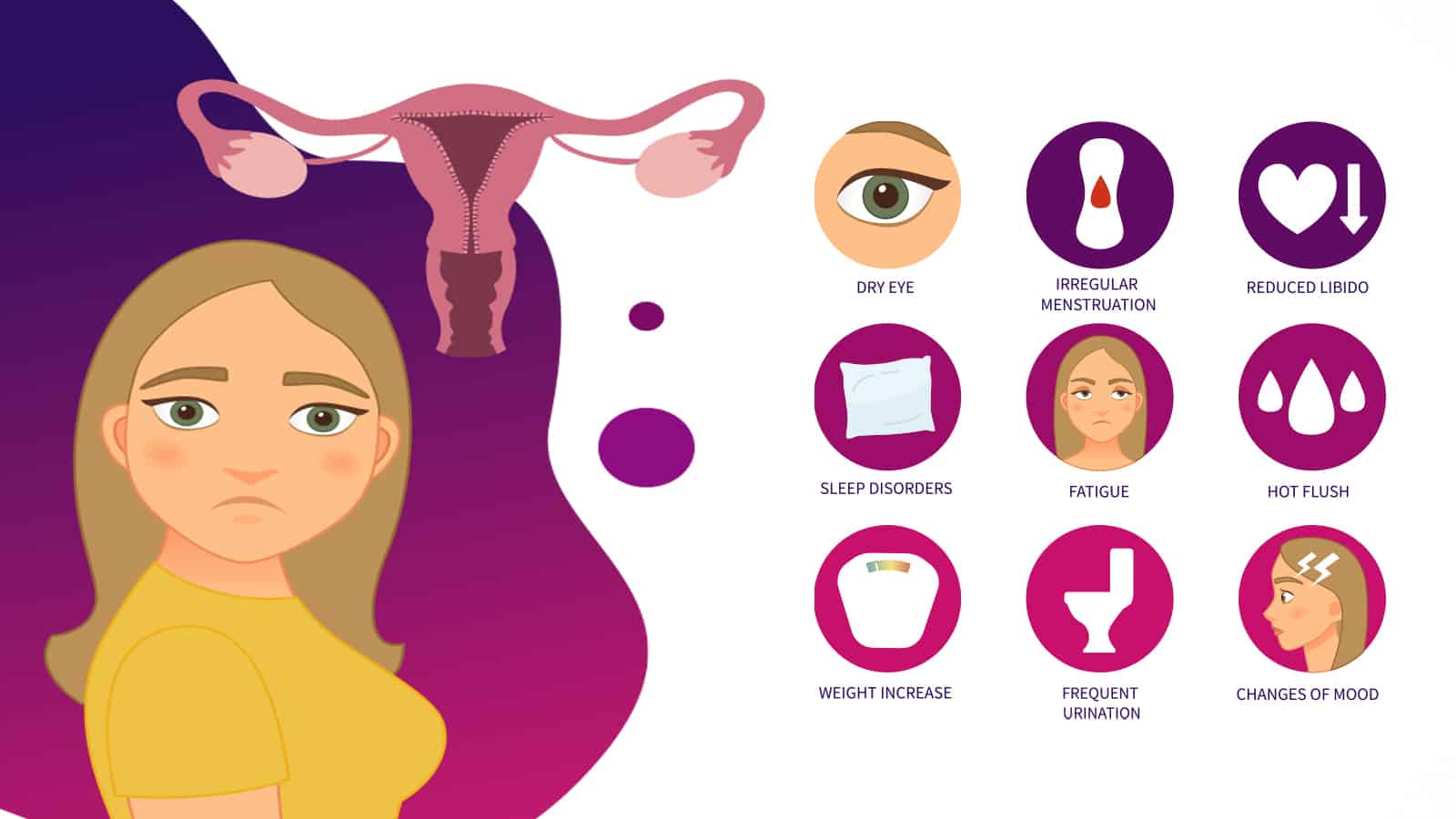
Perimenopause rage is sudden, intense anger or irritability that many women experience in the years leading up to menopause. Linked to erratic hormone levels, broken sleep, and the heavy load of midlife, this hormonal rage often feels wildly out of proportion and completely out of character.
It is also far more common than most women realize. Dr. Lulu Zhao, a mood disorder specialist at Cleveland Clinic, explains that during perimenopause, a woman’s hormone patterns “can become erratic,” leaving many women feeling noticeably more irritable and short on patience. These shifts can start years before your final period ever arrives.
Mood changes can also include more than just a short fuse. According to research from University College London reported by WebMD, women are 40% more likely to experience depression during perimenopause.
Why Perimenopause Makes You So Angry
Usually, it is not just one thing setting you off. Several physical and emotional pressures tend to pile up at the exact same time.
Hormones on a rollercoaster. During perimenopause, estrogen does not gently glide downward in a straight line. It spikes and crashes unpredictably. Estrogen affects brain chemicals like serotonin that help regulate your mood, so those wild swings leave your emotional brakes feeling worn down. Broken sleep. Night sweats and wide-awake 3 a.m. ceilings leave you feeling completely drained. When you are deeply exhausted, minor daily annoyances feel enormous. The midlife load. This midlife load includes raising teenagers, looking after aging parents, managing a demanding job, or adjusting to an empty nest. Many women are carrying heavier responsibilities than ever right as their bodies are shifting. Years of holding it in. WebMD also highlights findings from the Seattle Midlife Women’s Health Study, which showed that while women’s anger tended to rise with age, so did their efforts to control it. In other words, many women feel angry more often and simply swallow it down. Eventually, the pressure builds up.Signs Your Anger Might Be Hormonal
Of course, not every bad mood is caused by hormones. Still, these clues suggest that perimenopause anger may be a significant factor:
If you dealt with strong PMS or PMDD earlier in life, understanding PMDD and your past cycle history can explain why you may be more sensitive to mood shifts now.
And because plenty of health issues can affect your mood, it’s worth ruling out other causes of unexplained moodiness with your doctor, too.
What to Do in the Moment
When you feel that familiar heat rising in your chest, a few simple moves can help you pause before you snap.
The first step is almost too simple: name it. Quietly tell yourself, “This is my hormones talking.” Naming the feeling gives you a little space between you and the reaction.
Then give yourself some distance. Step into another room or go outside for ten minutes of fresh air. It helps to tell your family ahead of time that walking away is a cooling-off reset, not a punishment.
While you are there, calm your body before you try to calm your thoughts. Slow your breathing and make each out-breath longer than the in-breath, or run cold water over your wrists.
Learning how to regulate your nervous system gives you a steady anchor when emotions run high. And if the energy still feels trapped, move it out with a brisk walk around the block. It is one of the fastest ways to burn off that surge of adrenaline.
Once the dust settles, repair without shame. A simple “I’m sorry I snapped earlier, I’m having a rough time” goes a remarkably long way.
Everyday Habits That Lengthen Your Fuse
What you do between the flare-ups matters just as much as how you handle them.
Track It Before Your Appointment
Keeping brief notes for a couple of weeks can help you spot hidden patterns, and it gives your doctor something concrete to work with.
Each time you have a flare-up, note the date, how well you slept, where you are in your cycle, what triggered it, and how strong it felt.
Treatments That Can Help

Far too many women are told to simply grit their teeth and ride it out. You do not have to.
Depending on your symptoms and health history, talk to your doctor about options like hormone therapy, birth control pills, antidepressants, or cognitive behavioral therapy.
As Dr. Zhao puts it, “treatment has to be individualized for every woman,” so having an honest conversation about how to deal with perimenopause rage is well worth your time.
If you feel dismissed or brushed off, you can search for a certified menopause practitioner through The Menopause Society.
As Dr. Rajita Patil of UCLA Health told WebMD, “Advocate for yourself. Know there is help, and seek it.”
If your anger ever feels overwhelming, or if you have thoughts of harming yourself or someone else, please seek help immediately. In the US, you can call or text 988 at any time.
Frequently Asked Questions
How long does perimenopause rage last?
It varies from woman to woman. For many women, menopause rage eases after menopause when hormone levels finally settle, and the right treatment can help much sooner.
Can hormone therapy help with perimenopause rage?
For some women, yes. Because hormone therapy is not right for everyone, talk through the potential benefits and risks with your doctor.
Is perimenopause rage the same as PMS?
They are related, since both are tied to hormone shifts. However, perimenopause anger can feel much more intense, less predictable, and last across years rather than just a few days a month.
Final Thoughts on Perimenopause Rage
So, let us go back to that moment in front of the dishwasher. You are not too much. You are not a bad mother, partner, or friend. And you are definitely not alone.
Your body is navigating one of the biggest changes of your life, and it is asking for a little extra care.
Give it rest. Give it support. Talk to your doctor and get the help you deserve.
This is a temporary season, and you will come through it.
The post Perimenopause Rage: Why You Feel So Angry and What Helps appeared first on Power of Positivity: Positive Thinking & Attitude.





 Bengali (Bangladesh) ·
 English (United States) ·