

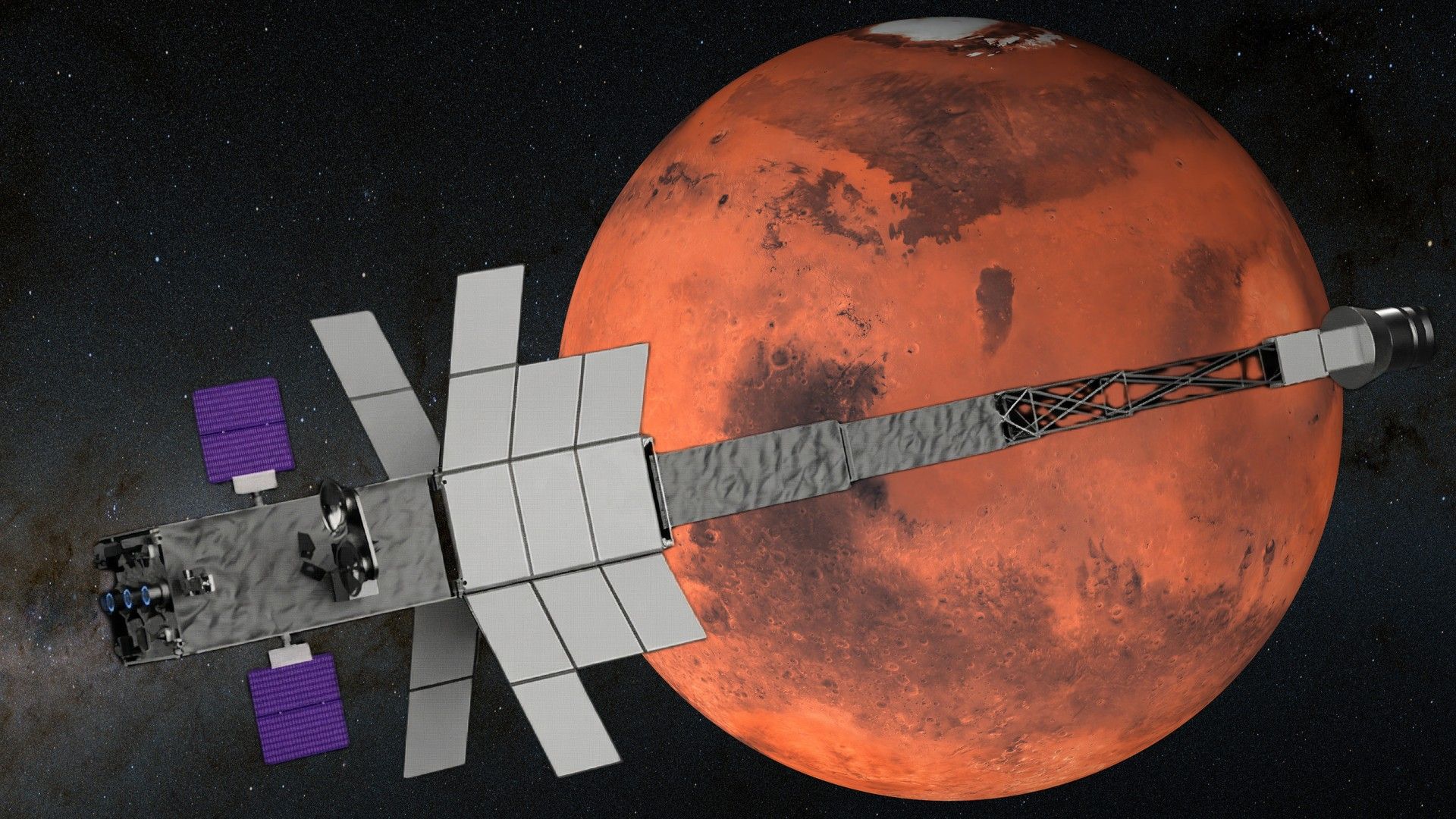
NASA is accelerating the development of three helicopters that will be deployed into the sky above Mars after a voyage aboard NASA's Space Reactor‑1 Freedom spacecraft.
Slated for launch in 2028, SR-1 Freedom is the first fission nuclear-powered interplanetary spacecraft and is assigned the duty of dropping off the SkyFall entry capsule loaded with the trio of aerial vehicles at the Red Planet. SR-1's trajectory will deliver the SkyFall helicopters in Mars' northern hemisphere during the planet's spring season to avoid dust storms.
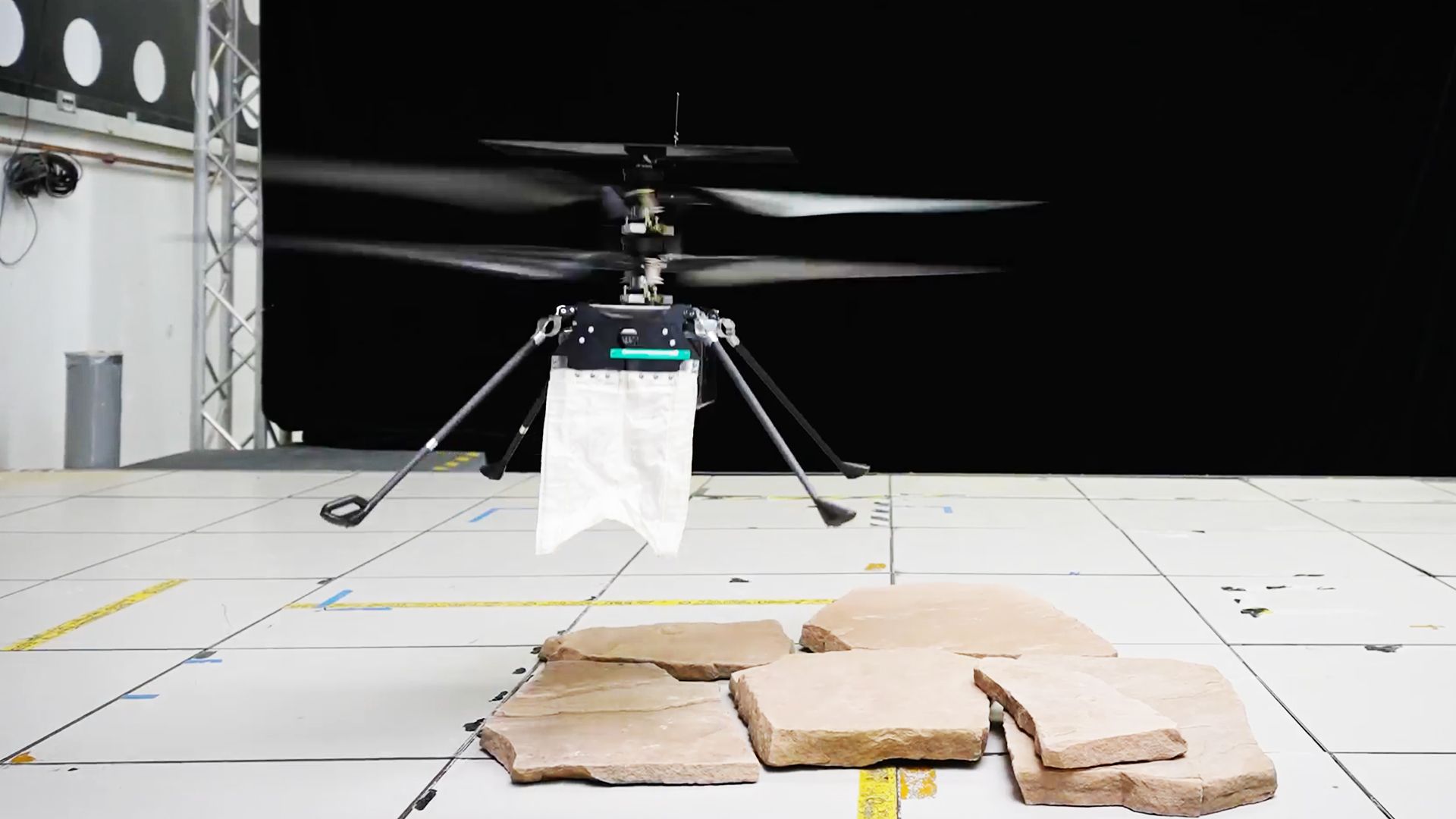
SkyFall is based on the success of the first aerial craft to float about the Red Planet, Ingenuity, which flew over 70 missions at Jezero Crater before it finally broke a rotor. It was designed to fly five. The SkyFall mission will consist of three identical helicopters to be deployed by an entry vehicle in the atmosphere, let loose at roughly under a mile (3,300 feet or 1,000 meters) above Mars, with each of the craft landing independently.
Regions of interest
The SkyFall mission is to conduct investigations that address objectives relevant for science and preparing for human exploration of Mars. Anticipated flights of the vehicles will travel outside of the landing ellipse to regions of interest within a broader exploration zone.
However, there are further science-focused flight paths and regions that have yet to be determined. NASA intends for the SkyFall helicopters to go to multiple regions of scientific interest on Mars.
NASA's Mars Exploration Program, along with the SkyFall project at the Jet Propulsion Laboratory (JPL), will work together to pick those "why and where" paths to navigate.
A first workshop on potential landing sites for the SkyFall mission and adjacent exploration zones of high scientific value is slated for early next year. And as always, sites and zones on Mars for the choppers means satisfying engineering constraints imposed by the project and spacecraft design.
Given the rapid development cadence of the SkyFall mission, decisions are to be fast-paced, but are geared to maximizing science value of the endeavor.
What Mars researchers are after will be a ranked list of potential landing sites that will be studied in more detail by the SkyFall project and science community, prior to a second workshop to be held in late 2027.
Notional flight trajectories
On the table are potential science value and notional flight trajectories of individual landing sites given the capabilities and payload of the SkyFall helicopters.
Landing site selection will occur after the back-to-back landing site workshops next year, said Matthew Golombek, SkyFall Project Scientist at JPL.
"The project has identified a design reference landing site that targets subsurface water ice deposits with glacial/periglacial terrains," Golombek told Space.com.
Given their deployment, how much real estate will the aerial vessel assault study?
Golombek said that the helicopters are capable of flying one to two kilometers every other sol, so flight traverses of 125 miles to a little over 185 miles (200-300 kilometers) are possible.
"The helicopters are designed to last 6 months, with a goal of one Earth year and each can fly every other sol so multiple flights are expected," Golombek added.
Thanks to the success of the Perseverance rover's unleashing of the Ingenuity rotorcraft, Golombek said that there are a host of lessons learned, as well as engineering additions to be made to the set of SkyFall vehicles.
Nominal payload
"Although the helicopters are slightly larger than Ingenuity, they are being designed to operate in exactly the same way, so all of the experience with Ingenuity operations will be directly relevant," said Golombek.
The nominal payload to be toted around the Red Planet will be identical for all three helicopters, consisting of five instruments, plus engineering navigation cameras. Those instruments are to investigate the subsurface structure of Mars, the geomorphology and geology of surface terrains, as well as look at the meteorology of the atmosphere and the radiation environment.
Although there is no dedicated hardware to directly measure winds, the helicopters themselves can serve as on-the-spot wind sensors, even shifting to "Balloon Mode," whereby a helicopter will drift in the background wind.
Radar love
Each low-flying helicopter is outfitted with a ground penetrating radar (GPR) instrument, one that can detect layering in the near surface, at depths unobservable by orbital radar.
Those layers could be assembled from rocky material, buried ice, or combinations of the two. Detection of near-surface ice is of interest both scientifically as well as in support of future human expeditions to Mars.
Subsurface ice not only preserves a record of past Martian climate but also serves as a "high-priority environment" that might have served as a habitat of past…or Martian life resident today.
SkyFall maneuver
AeroVironment of Arlington, Virginia is partnering with JPL, selected last August to co-design and co-manufacture the SkyFall helicopters. They too are building on their experience as co‑developers of NASA's Ingenuity Mars helicopter that made those 72 flights at Jezero Crater on Mars.
"Now, with SkyFall, we're taking AV's high‑volume uncrewed systems mindset into planetary exploration and showing that Mars helicopters can be built as a repeatable product line, not a one‑off delivery," said Jeff Rodrian, Head of MacCready Works, AV's advanced research and development organization.
A special "SkyFall maneuver" is to be utilized in deploying the three aerial craft. They will be released directly from the carrier spacecraft into the Martian atmosphere, where they separate, deploy, descend, and land under their own power.
"By eliminating the need for a single-use lander stage or a host rover (as Ingenuity required with Perseverance), this approach significantly reduces the technical and financial risk of getting to the Martian surface," explains an AeroVironment statement.
An illustration of AeroVironment's new "Skyfall" helicopter concept that could deploy six scouts to Mars. (Image credit: AeroVironment)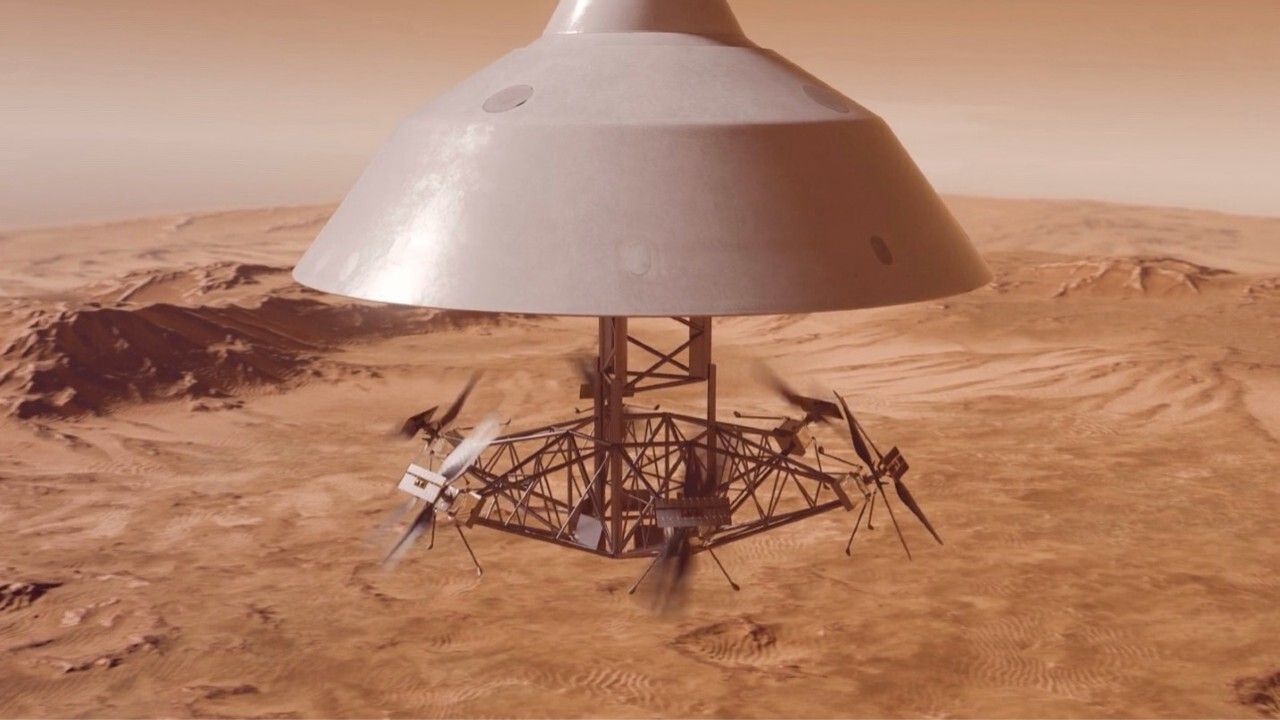
Mountains of data
"Just like here on Earth, Mars helicopters can cover distance quickly and can go places that might be impossible to reach by ground," said Will Pomerantz, Head of Space Ventures at AeroVironment.
The science community may guide these helicopters to locations, Pomerantz said, where the ground penetrating radar can map out the specific spots of ice below the martian surface.
"The three SkyFall helicopters are going to show us parts of Mars we've never seen before and return mountains of data for scientists to pore over," said Pomerantz.
An illustration of AeroVironment's new "Skyfall" helicopter concept that could deploy six scouts to Mars. (Image credit: AeroVironment)An illustration of AeroVironment's new "Skyfall" helicopter concept that could deploy six scouts to Mars. (Image credit: AeroVironment)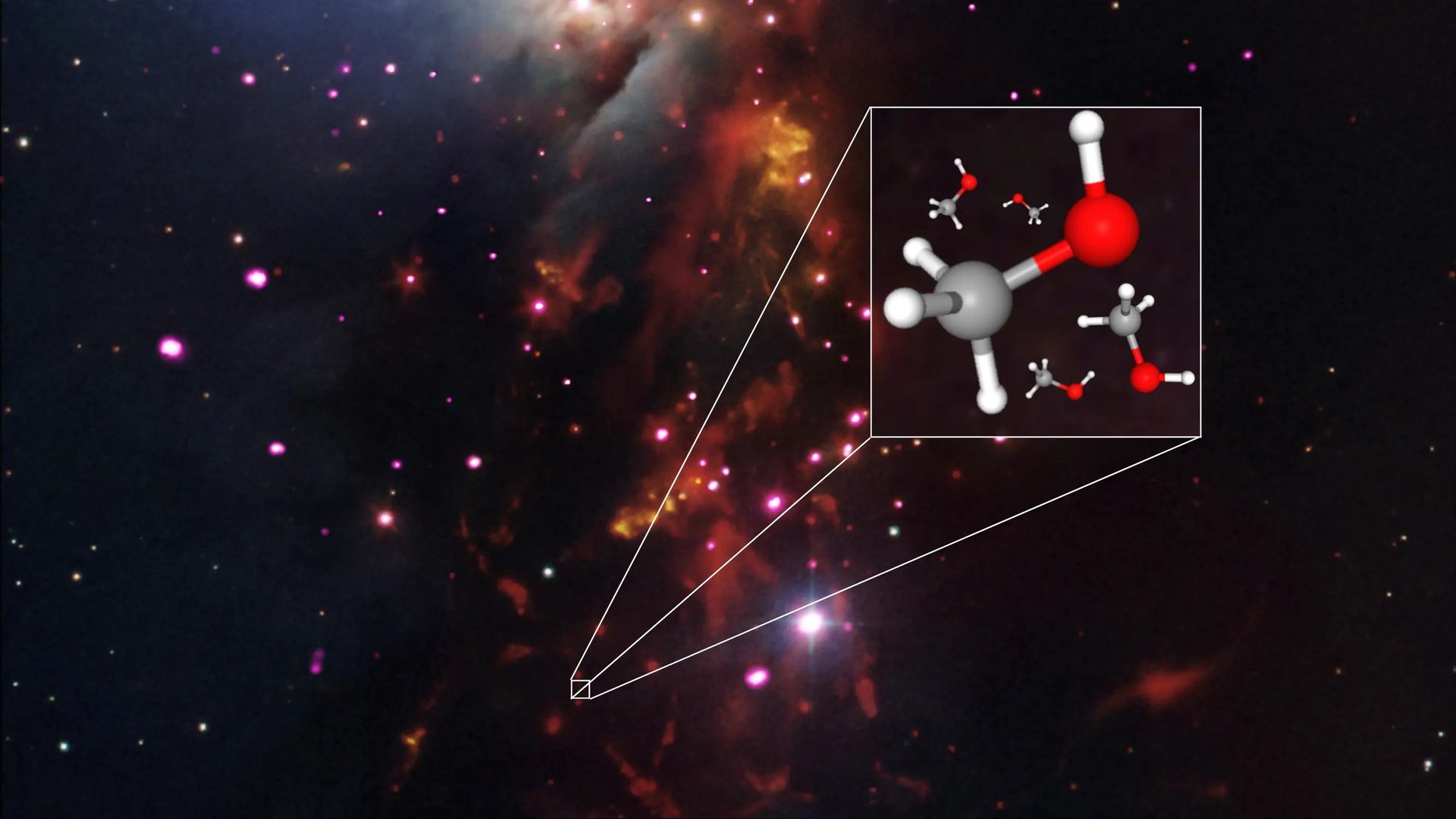



 Bengali (Bangladesh) ·
  English (United States) ·