

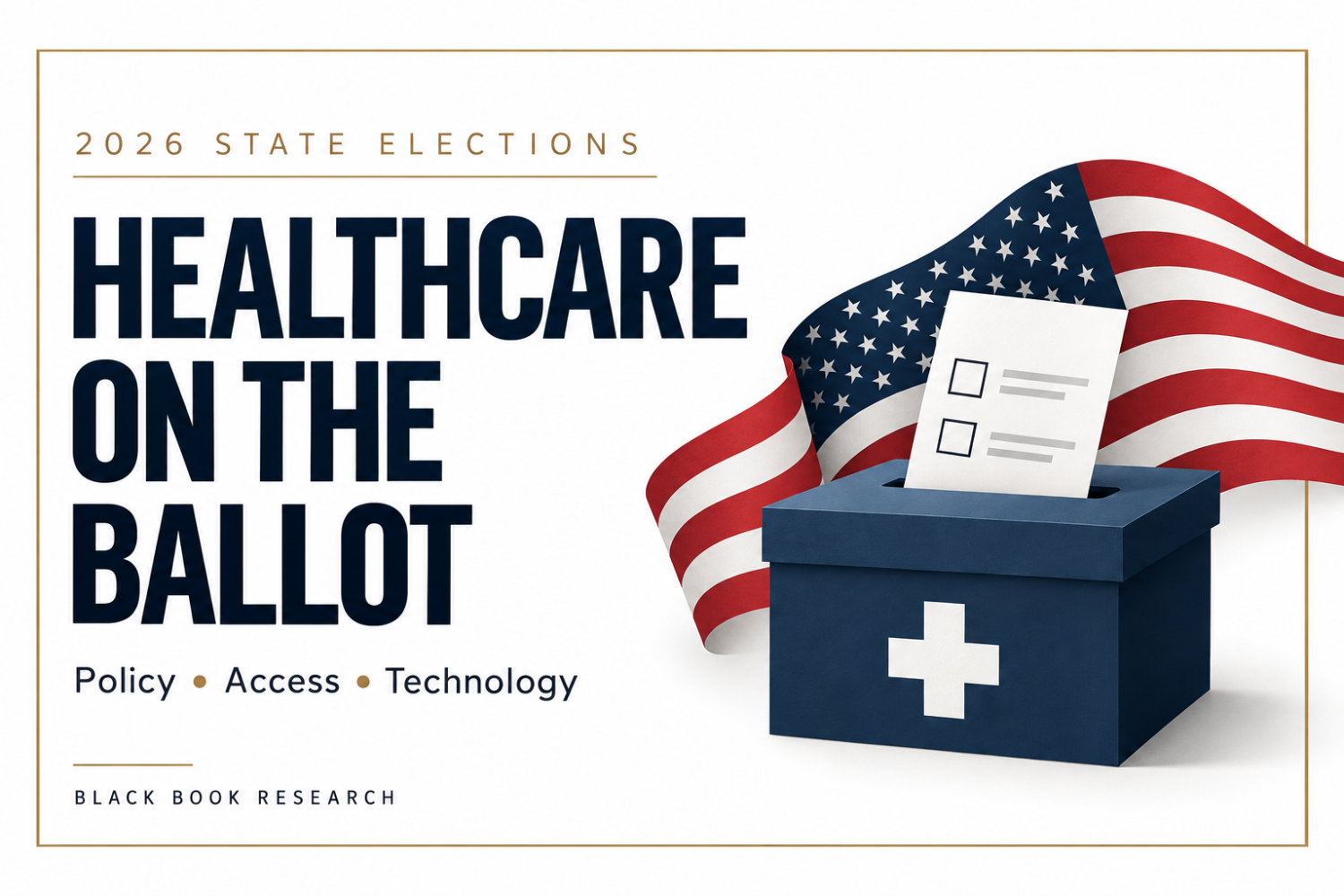
State ballot initiatives can become practical questions for healthcare technology teams: who remains eligible for coverage, which expenses must be reported, who can access a record and when systems should change. Those questions deserve attention as voters decide state measures in the November 3, 2026 election.
Chief information officers should put ballot implementation on a shared planning calendar with finance, clinical and compliance leaders. Preparing for both approval and rejection can help organizations respond without prematurely changing benefits, committing funds or rewriting patient communications. Five states illustrate why election results need to be translated into specific operational decisions.
Colorado: Revenue still needs a spending decision
Amendment 87 would establish graduated income taxes beginning in 2027, with additional revenue supplementing K–12 education, healthcare and early childhood services. Legislators would decide which programs receive funding and how much. Rejection would preserve the constitutional requirement for a flat income tax and leave this proposed funding mechanism uncreated.
A second measure, Proposition 136, would cap the income tax rate at the current 4.4%. Colorado’s official Blue Book says the outcome would be unclear if both measures pass; lawmakers or a court would need to resolve conflicts.
Providers and payers should therefore distinguish potential state revenue from an approved healthcare allocation. Technology teams can prepare project options, but should connect spending commitments to actual appropriations and program requirements. Patients should be told about expanded services only when funding and availability are confirmed.
South Dakota: A conditional Medicaid change
Constitutional Amendment I would end the state’s constitutional requirement to cover the Medicaid expansion population if the federal matching percentage specified in the amendment falls below 90%. Approval would not itself end coverage while that percentage remains at 90%. Rejection would preserve the constitutional requirement without this condition.
The distinction matters for eligibility and billing systems. Providers should model possible changes in covered visits, reimbursement and uncompensated care. Organizations administering benefits should prepare to coordinate eligibility files and notices if coverage changes are implemented. Election results alone should never become an automated instruction to terminate benefits. Patients would need accurate explanations of any actual eligibility change, its timing and available coverage options.
Idaho: Legal access and payment are separate questions
Proposition One would establish statutory reproductive healthcare protections, including abortion before fetal viability and afterward in defined medical emergencies. If approved, it would take effect January 1, 2027. Rejection would leave existing restrictions, exceptions and applicable court orders in place. The proposal expressly creates no obligation for the state, its agencies or programs to finance the protected care.
Providers should review clinical protocols, referral pathways and scheduling information against the final legal requirements. Payers should separately verify applicable benefits and payment rules. Patient portals and call centers should explain both whether a service can legally be provided and whether a patient’s plan covers it. Otherwise, a statement about expanded rights could be mistaken for a promise of coverage or an available appointment.
California: Clinic reporting requires careful definitions
Proposition 44 would require covered nonprofit community clinics to spend at least 90% of revenue on program services, with reporting and enforcement provisions. Program services encompass the organization’s charitable purpose; they are broader than care delivered during a patient visit. Rejection would leave clinics without this new requirement.
The proposed law applies the spending ratio to each clinic’s first full fiscal year beginning at least six months after passage. The calculation uses federal nonprofit reporting concepts and provides for California attorney general guidance.
Affected clinics should connect finance, compliance and IT teams to trace expenses and document classifications. An electronic health record or cybersecurity expense should be evaluated under the governing definitions, with its purpose and allocation documented. Payers could ask clinic partners about implementation needs. Patients’ access would depend on clinics’ actual operating decisions; the vote alone cannot establish whether services will expand or contract.
Washington: School records need a specific workflow
Initiative IL26-001 would broaden parental access to school-maintained student records, shorten the production deadline from 45 days to 10 business days and restore specified medical notifications, including advance notice of nonemergency services. Rejection would retain the framework amended in 2025.
Schools and their healthcare partners should map where records are maintained, who handles requests and how notifications are documented. They should obtain a specific legal determination before changing access to independently maintained clinical records or insurance information. A school-records provision does not establish universal parental access across healthcare systems. Families need clear instructions about requesting records, while organizations must apply the disclosure rules governing each record.
Build the implementation plan before the vote
For organizations operating across states, planning should identify each measure’s affected services, approval and rejection scenarios, effective date, responsible agency, funding dependencies and systems owner. Legal requirements should be confirmed before configuration changes are authorized.
Teams can then test how an approved change would move through eligibility checks, claims, referrals, reporting and patient communications. They should also document what stays in place after a measure fails. Technology spending should follow a demonstrated operational need.
The national implication is a need for coordinated local implementation. Patients should receive consistent answers from their clinician, insurer and portal about the care they can obtain, the coverage they have and the privacy rules that apply.
About Douglas Brown
Douglas Brown is founder and president of Black Book Research, an independent, vendor-agnostic healthcare market research firm. His work spans healthcare operations, managed care and technology.



 Bengali (Bangladesh) ·
 English (United States) ·