
 1 hour ago
2
1 hour ago
2 
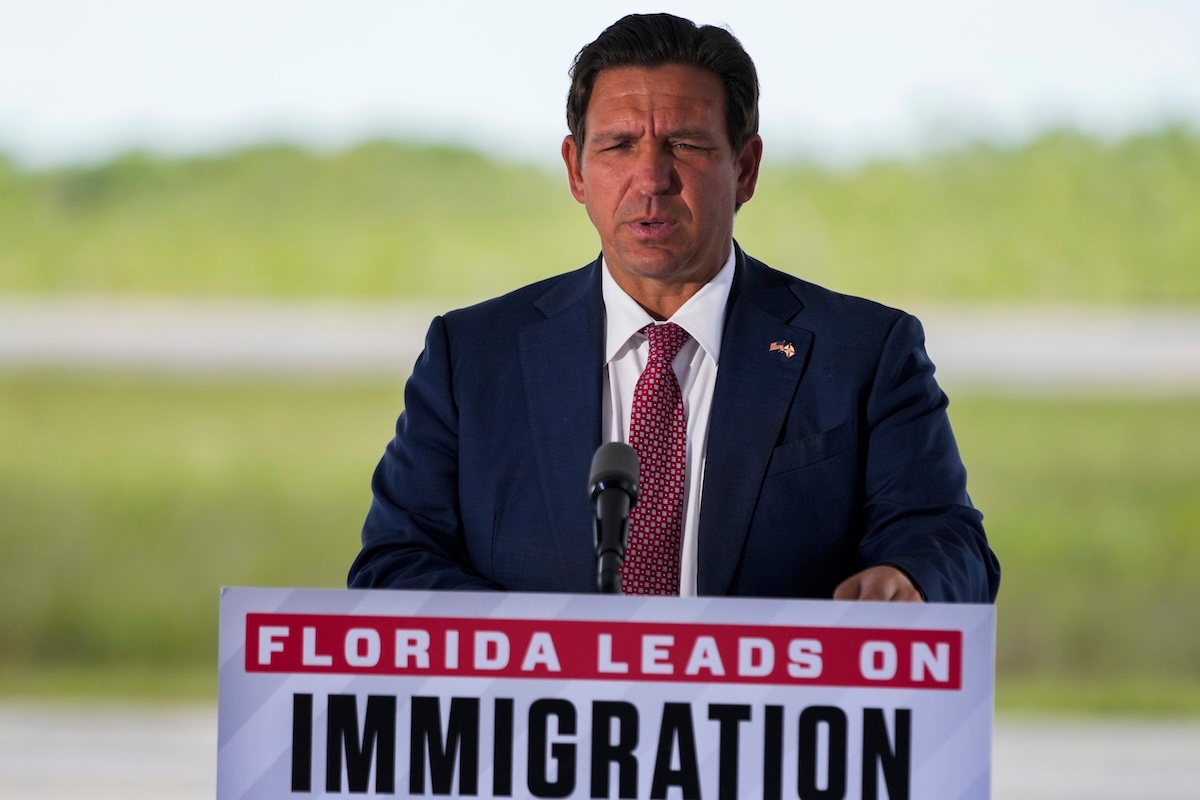
Florida is advancing a series of rules that would block undocumented students from enrolling in the state's public higher education system — first at its selective universities, and potentially at its community colleges and adult education programs too.
This comes from a set of proposals that would take effect in the 2027-28 academic year if approved.
Would you like to save this?
Driving The News
The State University System of Florida's Board of Governors voted Thursday to advance a proposed admissions rule (Regulation 6.001) that would bar students "present in the United States unlawfully" from any university that did not admit all academically qualified applicants in the two most recent years.
Because all 12 of the system's campuses use selective admissions, the change would function as a near-total ban.
The proposal now enters a 14-day public comment period before returning to the full board for a final vote. If approved, it takes effect for the 2027–28 academic year. Students currently enrolled would not be affected.
The Bigger Picture
A separate set of rules from the Florida Department of Education (FLDOE) would extend the restrictions further down. Proposed rule 6A-10.0240 would prevent undocumented students from attending the 28 colleges in the Florida College System, and proposed rule 6A-6.014 would block them from adult general education programs, where enrollment starts at age 16.
By The Numbers
The Florida Policy Institute (FPI) estimates the college-system rule alone could cost Florida's public colleges roughly $15 million a year in lost tuition and fees. The biggest projected losses fall on:
Miami Dade College — about $1.8 millionBroward College — about $1.18 millionPalm Beach State College — about $1.06 millionFlorida SouthWestern State College — about $825,000FPI built its estimate using the number of students who received the state's "tuition fairness" waiver (repealed last year) as a proxy for undocumented enrollment, then multiplied by each college's in-state tuition rate.
Florida has one of the largest populations of undocumented college students in the country, with one report estimating roughly 40,000 attended the state's colleges in 2021.
How This Connects
Florida's push follows a broader rollback of benefits for undocumented students. Last July, the state repealed a policy that let certain undocumented students pay in-state tuition rates.
As The College Investor has covered in its work on state residency requirements and Florida college costs, where a student is considered a resident can swing the cost of a degree by tens of thousands of dollars, and these rule changes would remove the public-college option for affected students entirely.
Watch for the Board of Governors' final vote, expected after the comment period, and for the FLDOE rules to move through their own approval process. If adopted, both sets of rules would reshape who can access Florida's public colleges starting in 2027.
Don't Miss These Other Stories:
Editor: Colin Graves
The post Florida Could Bar Undocumented Students From Public Universities Starting in 2027 appeared first on The College Investor.





 Bengali (Bangladesh) ·
  English (United States) ·