
 2 hours ago
2
2 hours ago
2 
The mother-daughter bond, whether tender or fraught, is a formative one. Establishing a safe and secure connection early in life helps develop self-esteem, emotional well-being, and acts as a blueprint for future relationships. Although losing a mother impacts a woman’s life no matter her age, the loss of a mother in childhood is a grief that shapes a daughter’s sense of self for years to come. Daughters who lose their mother before adulthood tend to take on family roles too soon, becoming hyper-independent and isolated. As they age, grief can resurface at milestone moments like graduations and weddings. Motherhood itself can bring waves of anxiety and fear.
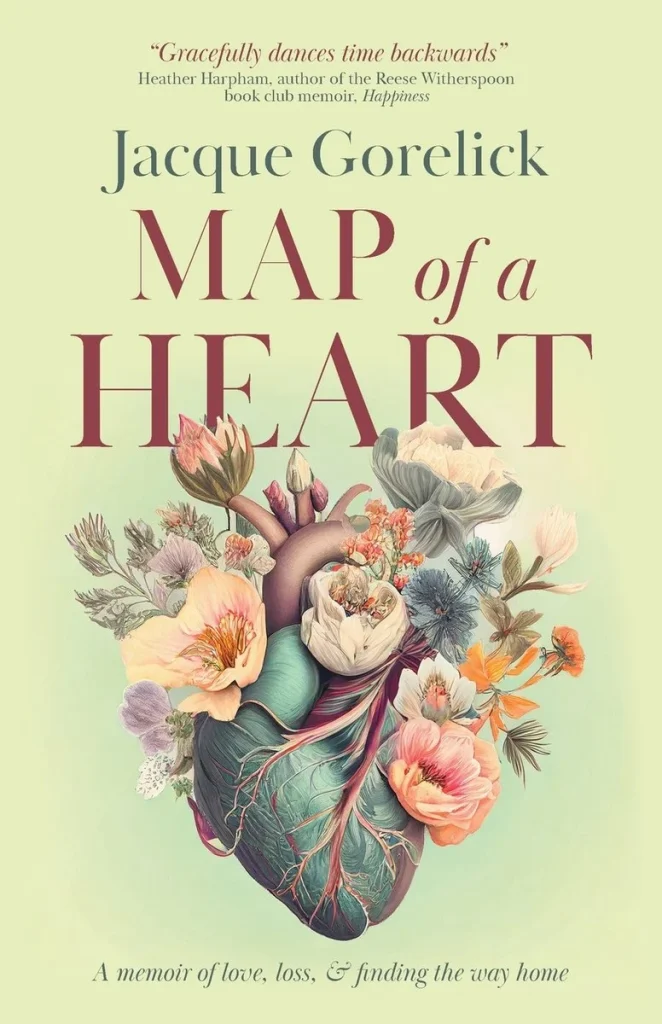
When I was eight, my mother was diagnosed with aggressive and widespread cancer, leaving little time to wrap my young mind around the gravity of her imminent passing. Afterward, part of me held onto a fantasy that she was not really gone. I imagined her showing up at school in her green convertible. The finality of death was impossible for me to comprehend, prolonging and delaying my grief for years. Layered over my sadness was shame about my new identity as the girl whose mother died. As a way to process my grief, I sought out books about loss. I devoured Lurlene McDaniel’s YA novels for their dependable terminal-illness narratives. Grieving for fictional characters was a cathartic release for my own unresolved sadness. As I got older, I turned toward memoirs written by actual women who knew the pain of mother loss. But many of these books featured protagonists who had lost their mother in late adolescence or early adulthood. I yearned for stories from daughters like me—who’d spent years sifting through memories trying to piece together a woman they hardly knew.
When I began writing Map of a Heart: A Memoir of Love, Loss, and Finding the Way Home, my memoir about building a hard-won family life after childhood loss, I once again looked for stories that reflected my experience. This time, a new crop of memoirs appeared that delved into the complexities of losing a mother in childhood. Through poignant prose, excavation of fragmented early memories, and sometimes humor, these memoirs explore the ripple effects of early mother loss on womanhood, motherhood, identity, and belonging. A loss that shapes daughters for a lifetime.
Did I Ever Tell You? by Genevieve Kingston
When Genevieve Kingston’s mother died, she left her a legacy that would tether them together for years to come—a trunk packed with handwritten letters and carefully chosen gifts to be opened on the birthdays and milestones in her daughter’s life that she wouldn’t be there to witness. The book opens as Kingston, a woman in her thirties, has just three gifts left—for her engagement, wedding day, and the birth of her first child. From there, the author traces her way back in time to reflect on the complex emotions of living with her mother’s illness in childhood. She examines how she worked through her grief as her family endured more painful losses and dislocations in the years that followed. Kingston explores how the loss of her mother shaped, and continues to shape, her experiences with love and womanhood. Her mother’s gifts serve not only as a connective thread but also as a window into the woman whose final wish was to remain a talisman for her daughter’s pivotal life moments.
Living Proof by Tiffany Graham Charkosky
Tiffany Graham Charkosky’s girlhood unfolded against the backdrop of her mother’s cancer diagnosis and declining health. Eighteen years later, as a woman finding her footing in marriage and motherhood, Charkosky’s grief and fear resurface when she discovers her mother’s illness was a result of a specific and rare genetic mutation. What follows is a familial excavation, genetic reckoning, and heartrending reminiscence of what is lost when a mother dies, leaving her young children with unanswerable questions that cannot be quieted, no matter the years that pass. Charkosky faces genetic testing and uncertainty as she unravels the mystery of her family’s legacy through her own DNA. Living Proof is a profound story of what we inherit through genetics, memory, and time.
Aftershocks by Nadia Owusu
The daughter of an Armenian mother and Ghanaian, United Nations official father, Nadia Owusu spent her childhood in perpetual motion. The first quake of disruption hits when, as a toddler, Owusu’s mother abruptly abandons her. Owusu spends her childhood moving with her father all over Europe and Africa. Her mother floats in and out of her life, disappearing for years before resurfacing in an intermittent cycle of rejection—aftershocks of her first departure. At thirteen, the author’s father dies after a prolonged illness, a tremor that crumbles any remaining stability. An orphaned Owusu is left to navigate her adolescence with a stepmother who is resentful of her new role as primary parent to a daughter she did not bear. Living in New York in her twenties, the author is directionless and unsure of her place in a world that holds no parents or home for her. Aftershocks illustrates how the complicated grief of abandonment—a mother who is both here and gone—is a uniquely painful loss.
The Manicurist’s Daughter by Susan Lieu
What if your mother died because of a choice you could not understand? How would you remember her or make peace with the loss? This is the journey of Susan Lieu, the daughter of a Vietnamese refugee mother who built a successful business and raised a family in California, only to die young after a botched cosmetic surgery. In her debut memoir, Lieu seeks not only to write her mother into a fully formed and vital woman—which she does—but to reckon with the circumstances of her death. As the author unspools the cultural and societal beauty standards that shaped her mother’s decision, the reader is invited to be part of Lieu’s family dynamics, cultural traditions, and the intimate banter that floats between manicure stations in her mother’s beloved nail shop. The Manicurist’s Daughter is an unflinchingly honest account of a daughter’s quest to understand the mother she lost too soon.
The Full Catastrophe by Casey Mulligan Walsh
The cover of The Full Catastrophe hints at the memoir’s impending upheaval. The title itself warns the reader. In the first pages, the author receives the unimaginable news that her son has died in an accident. What follows is a retracing of the tumultuous years that led her to that moment. By twelve, Walsh lost both of her parents within a year of each other. That early loss sets in motion an unwavering desire to recreate a maternal bond as a mother one day. Before graduating from college, Walsh marries and has three children, hopeful that a family of her own will repair her broken foundation. But when her marriage crumbles, she realizes she will have to become the safe haven she’s been seeking. Then, the foreshadowed catastrophe arrives—the death of her oldest son. Walsh, along with readers of her memoir, wonders how much loss one person can endure. The Full Catastrophe is a heartbreaking yet hopeful journey toward belonging.
Seeing Ghosts by Kat Chow
Kat Chow, the daughter of Chinese immigrants, grows up in suburban Texas and loses her mother at thirteen. In the years that follow, she writes, “The way my family grieved my mother was to avoid acknowledging her altogether.” In Seeing Ghosts, Chow bridges her way back to her mother by excavating her family history and gaining a clearer understanding of her lineage. Through the lens of her mother’s death, Chow explores losses her mother endured: the country she left behind, her own mother’s death when she was a girl, and Chow’s stillborn brother. Despite cultural beliefs that speaking of the dead is unlucky, Chow invites these “ghosts” into her life—and the pages of her memoir. In turn, her lost family helps her shape an identity and preserve her mother’s story.
Hello, Molly! by Molly Shannon
Actress and comedian Molly Shannon is best known for her energetic, over-the-top characters on Saturday Night Live. But behind the humor that brought her fame is a story of tremendous loss. When Molly was four, she survived a terrible car crash that killed her baby sister, cousin, and mother. Shannon’s memories of her mother are of a loving and joyful woman, but they are fragmented and coated with the trauma of her sudden passing. The loss only becomes more complicated as her father’s alcoholism shapes her childhood. In her memoir, Shannon explores how the pain of her experience fueled her drive to perform, describing comedy as both a calling and a coping mechanism. While her path to fame is a central theme, Shannon’s capacity to find forgiveness and create joy in the face of profound loss is the true heart of Hello, Molly!
The Art of Reassembly by Peg Conway
I Was My Mother’s Daughter, and Then I Was Stuck With My Dad
Apple TV’s “Shrinking” toes the line between my personal fantasy and reality of being raised by a grieving single father

When Conway loses her mother at seven, she assumes the identity of the “responsible girl”—parentified and agreeable, never causing disruption in her family or allowing herself space to mourn. Her father struggles in his new role as single parent. Instead of asking how Peg is coping, he asks her to pack lunches and start dinner for her two siblings. When he remarries a few years later, Conway finds herself in a new home with a new school, new furniture, and even a new birth certificate that erases her mother and replaces her with a stepmom. It isn’t until adulthood, when an accident awakens reverberations of early mother loss, that Conway realizes she must reassemble her identity to include the unresolved grief of being a motherless daughter if she truly wishes to heal.
The post 8 Memoirs About Losing a Mother in Childhood appeared first on Electric Literature.




 Bengali (Bangladesh) ·
  English (United States) ·